

Join the Project

EYW wants your food photos!

Fish 'n Chips

England
liaht

Upload a photo now

Food Memories

EYW wants your food stories!

Spiced Roasted Garbanzo Beans

Morocco
hitripper

This dish makes a delicious side dish or snack. Not sure of origins, but it is found in North Africa areas. The Moroccan mashed spice mixture blend of garlic, cumin, cayenne pepper in olive oil that... Read more

Write a Food Memory now

 
We Have a Winner! AFAR contest, Africa edition

Read the winning Food Memory, about eating fish on the shores of Lake Victoria in Kenya. The author, user alexfhalpern, wins a yearlong subscription to fabulous travel magazine AFAR, courtesy of AFAR Media.
 

Learn more

Q&A: Andrea Stanley, Maltster, Western Massachusetts Laura Siciliano-Rosen April 9, 2012

Andrea Stanley, maltster for Valley Malt in Western Massachusetts“Beer and spirits were an essential part of everyday life for the first European settlers of our country. Malting barley was brought over on the first ships with other essentials, like wool and wheat. Records show it was first planted on Martha’s Vineyard in 1604. I would like to eventually grow and malt the original variety of barley that was grown in New England.”—Andrea Stanley, Valley Malt

Tell us about your job.
I am a maltster: I malt grains for brewing and distilling. The process
of malting starts with soaking grain, sprouting it, and drying it. It takes one full week to malt a batch of grain, and we malt in 2,000-pound (one-ton) batches. We started in 2010 with one malting bin and now have four malting bins. On any given day I work at the malthouse cleaning grain, turning the malt, smelling it, touching it and making decisions about when to start drying a batch based on how it smells and feels. I also clean grain and malt, weigh it into 50-pound bags, and then stack those bags on pallets to ship out to our customers. Along with the daily physical labor, there is an equal amount of office work. I spend a lot of time on the phone talking with local farmers about grains, talking with brewers about malt, and keeping a malting schedule based on customers’ orders.

So that it’s clear to our readers, please briefly explain the role of malt in the brewing of beer.
You may be wondering, “What is malt?” Malt is grain that has been sprouted in order to be used for brewing and distilling. In the sprouting process we are optimizing on the natural process of the grain’s growth into a plant, making what was a hard and not-sweet grain into an easy-to-crunch, malty sweet product. Once we finish malting, and clean off the rootlets that grow during germination, we ship the malt off to be milled and brewed. It is this sweet malt that will provide the color, flavor, body, and fermentable sugars to beer.

What led you to your current position?
Originally my husband, Christian, and I were thinking that we would like to start a brewery in our town. We wanted to make a “truly local” beer—not just brewed locally, but to also have all of the ingredients grown locally. When we looked into this and talked with brewers, they would say, “Great idea, but you cannot make beer from grain; you make beer from malt.” When I started looking into where we could send our grain to have it malted, I realized that the closest malthouse was in Wisconsin. So instead of starting a brewery, we decided to start a malthouse. It became very clear to both Christian and me that this would be our contribution to the burgeoning craft beer and local food movement.

What do you love most about your job?
There are three things that I love about my job.

1. The physical labor and working so directly with barley and grains all day. When I am turning 2,000 pounds of sprouting grain each day, I feel like I am working in my garden.

2. The relationships we have with farmers. Many of these relationships have turned into friendships. We’re both learning about organic farming and are now starting to farm, too. This year we will be growing about 40 acres of oats, barley, and wheat in Hadley and Northampton.

3. The relationships we have with brewers and distillers are incredible. We work with so many creative and talented people who are happy to have a local malthouse to get even more creative with. Their willingness to take risks and try new malts gives me the freedom to explore malting heirloom grains such as spelt and emmer. In the end, the craft beer drinker also benefits because she gets to now try these funky new beers.

What are the biggest challenges of being a maltster?
Keeping up with orders, trying to make a consistent product, and growing a business with limited resources (both time and money) are the biggest challenges.

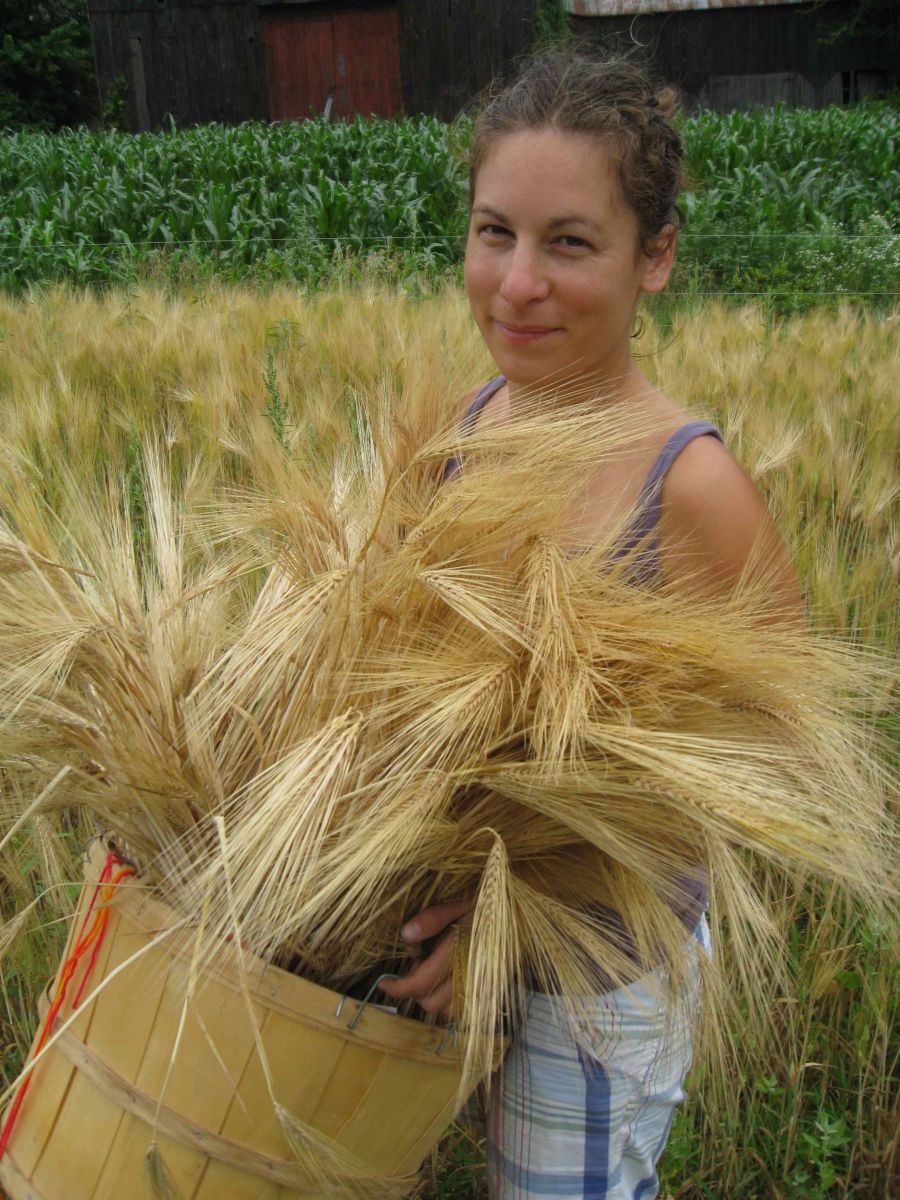
Local barley at Valley Malt, Western Massachusetts

How does your product speak to the culinary landscape/history of Western Massachusetts?
We are fortunate to live in an area with great energy around local food and beverages. Our local artisanal bakers have been using local grains in their breads now for a number of years, and now the possibility of tasting local grains in beer and spirits is also opening up. We had an event in March where all the food and drinks were made from locally grown ingredients. There were eight beers made with our malts, many also with local hops as well as local wine, cider, and ginger libations. At the end of the evening, I just grinned and thought to myself, “We just ate, drank, and danced the night away, and every part of it was homegrown.” How many other places can offer the same level of localness?

I also have to mention that historically Hadley, Massachusetts, did grow barley [pictured] and, in fact, had a malthouse in the 1650s. Our soil is fertile and has made some incredibly tasty beers and spirits.

What’s one iconic dish (or beer!) in Western Mass that a visitor cannot miss?
MassWhole is an amber ale made by Wormtown Brewery with 100% Massachusetts ingredients. The barley is grown in Hadley by Joe Czajowski and malted by us. The hops are from 4 Star Farm in Northfield and Divoill’s Farm in Royalston.

EYW focuses a lot on a city’s historic, traditional foods and drinks. What do you think (or hope) is the future of food/drink in the Northeast?
Beer and spirits were an essential part of everyday life for the first European settlers of our country. Malting barley was brought over on the first ships along with other essentials, like wool and wheat. Records show that it was first planted on Martha’s Vineyard in 1604. There were licensed maltsters that came over on the first ships along with other tradesmen such as blacksmiths and coopers. These people were incredibly brave and hopeful and hardworking, and they enjoyed beer. I would like to eventually grow and malt the original variety of barley that was grown in New England. I hope to find a brewer that would be willing to make a historical beer in honor of these original settlers of New England. Perhaps we could find a few beer drinkers who would be interested in tasting a beer as it may have tasted 350 years ago.

On EYW, we ask users to share short food memories related to travel, a favorite meal, growing up--anything. Can you share a brief food memory with our readers?
My most vivid memories are usually triggered by smell. We recently traveled to the U.K. to tour old malthouses where the maltsters are still hand-turning malt on the floor. All of the smells were familiar, and it just made me realize how the smell of malting barley dates back to the beginning of civilization. It is a sensory experience that we share with every other maltster. Like baking a loaf of bread, it is an experience that is borderless and timeless.

Check out where you can find Valley Malt on tap in the Northeast U.S., and read more about drinking local beer in the Boston area on EYW here.

Tags: food producer Q&A beer

Comments

Who Wants to Be the Next NYC Brewery? Laura Siciliano-Rosen February 27, 2011

The New York City craft beer scene has exploded in recent years, but with a grand total of five breweries/brewpubs within city limits, we’re still a bit behind on the production front when compared to other U.S. cities like Philadelphia, Portland, Denver, and Austin, where it seems a new brewery opens every other week. (Fortunately, NYC fares better with craft beer bars.) But I have new hope for the future of New York beers after attending Brooklyn Wort, a biannual home-brew competition that packed 30 local brewers into the Gowanus Studio Space yesterday.

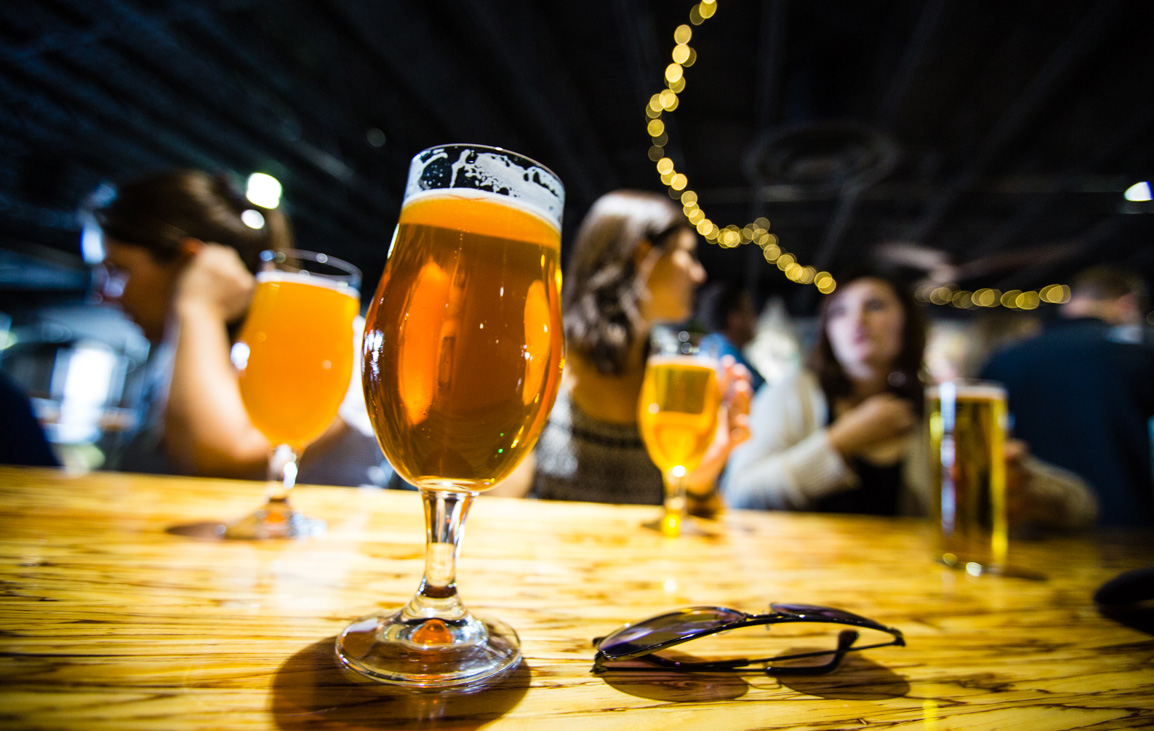
Scott and I were there primarily to support friends and event sponsors Valley Malt, a small Massachusetts-based start-up changing brewing in the Northeast for the better with its artisanal malt made from locally grown grains. We’re huge supporters of American craft beer as well, of course, but having found the beer in more than a few one-off brewpubs around the country just so-so, we had admittedly lowered expectations for a room full of home-brewed beer. Apologies, New York brewers: We seriously underestimated you.  

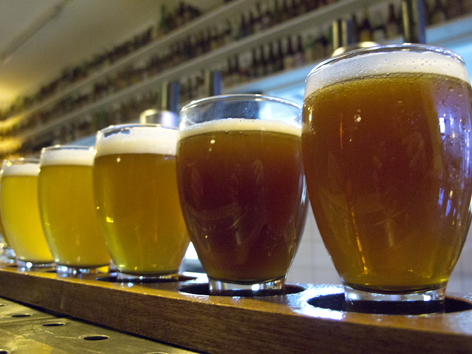
Among the complexly flavored offerings on hand were a terrific golden hibiscus ale (from brewer Christopher Lehault), a Belgian strong chocolate ale (Carlos Varas), an American barley wine (Simon Tepas), a few good American IPAs. Most unexpected, perhaps, was Andrew Maiorana’s black pepper brown ale, which tasted pleasingly like what it sounds like. Many of the brewers were from Brooklyn—especially from Park Slope, which makes sense given its glorious trifecta of Brooklyn Homebrew, Bierkraft, and Beer Table, among other great area bars—but I also met some promising Staten Island brewers, a guy from my own borough of Queens, a brewer working to open a new microbrewery near the Jersey Shore.

As I made the rounds with tulip glass in hand, I couldn’t help but wonder which of these home-brewing guys/gals might be the next distributing brewery to join Eat Your World’s NYC roundup. But while some of the brewers I spoke to had professional aspirations—here’s hoping for a future Squirrel Tail brewpub in Brooklyn—others simply do it out of passion and fun. Nearly all of them lamented the difficulty of going pro in New York, citing astronomical costs and lack of space, which would certainly help explain New York’s slower brewery growth compared to smaller, cheaper cities.

They may not have the space or funds just yet, but maybe, just maybe, one of these talented home brewers will find a way to break into our city’s brewing scene and give Garrett Oliver a run for his money (might we suggest a “Queens Brewery”?). In the meantime, a Saturday spent tasting fresh handcrafted beer is never a bad thing. And when it’s really good beer? Now that’s a great Saturday.

Tags: beer

Comments


EYW City Guides

Are you going somewhere and wish you could take all of a city’s EYW info with you? With EYW’s printable City Guides, you can! Don’t miss out on any local foods or drinks during your next trip.

View Available City Guides


Forgot password