

GET INVOLVED
Join the EYW Project: Contribute Food Pics + Food Memories
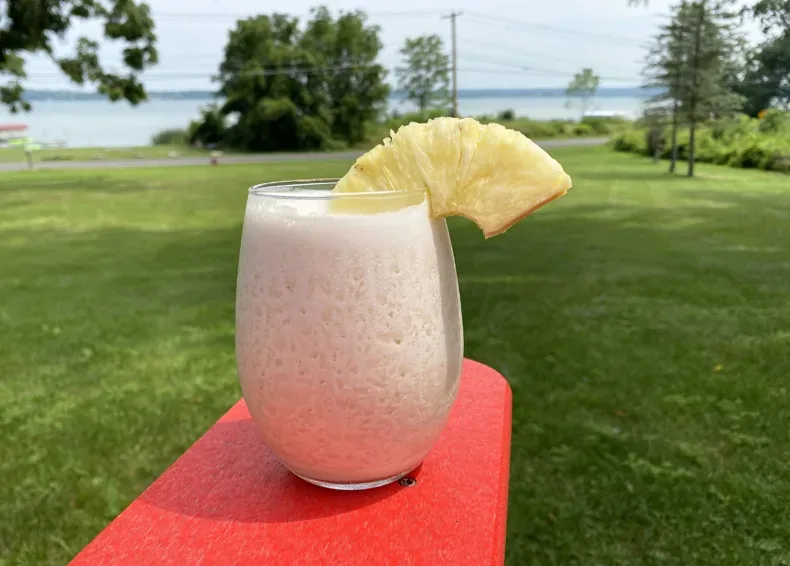
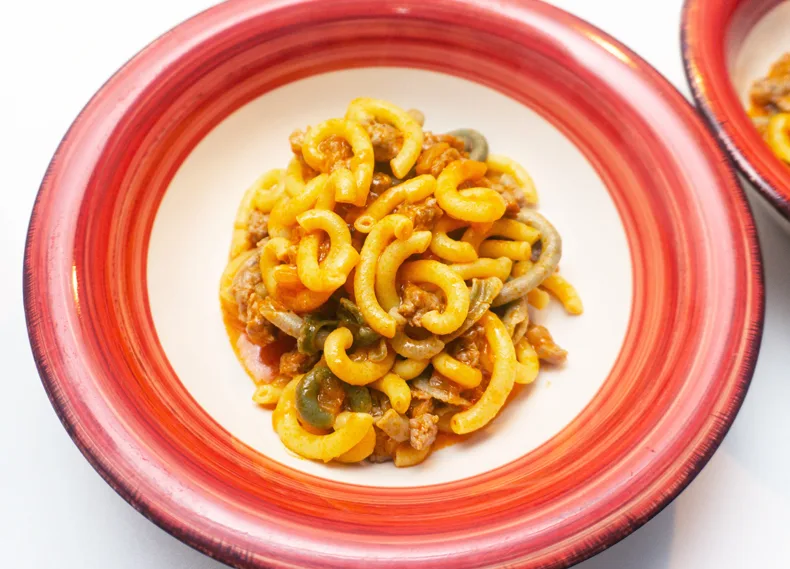
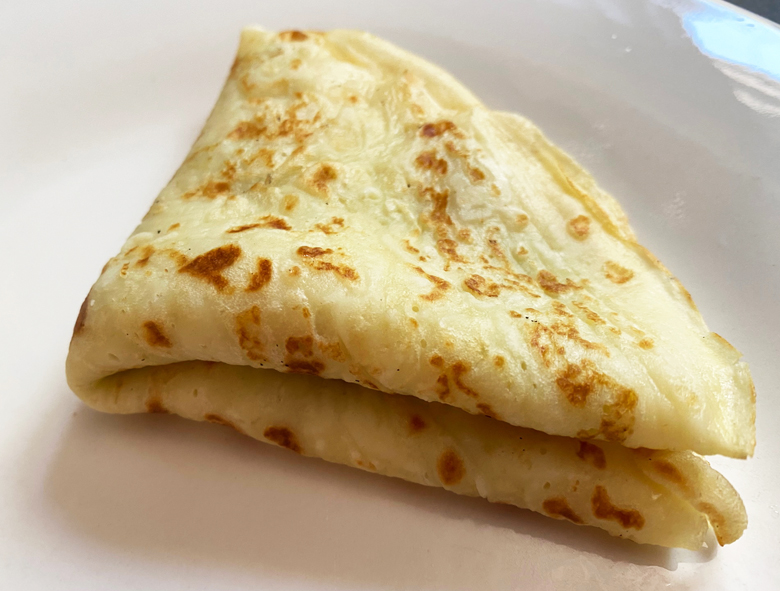
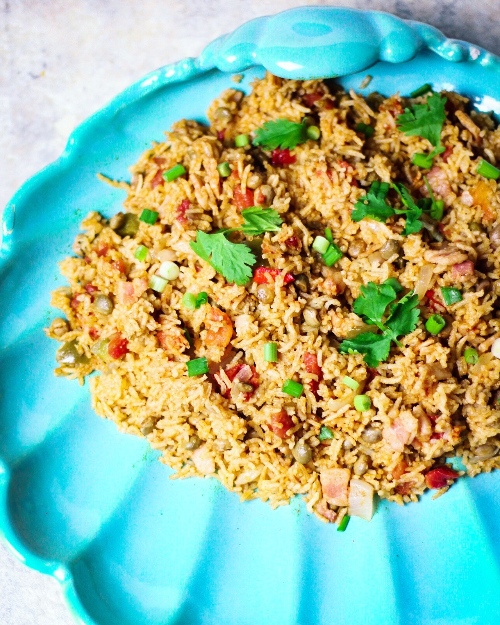
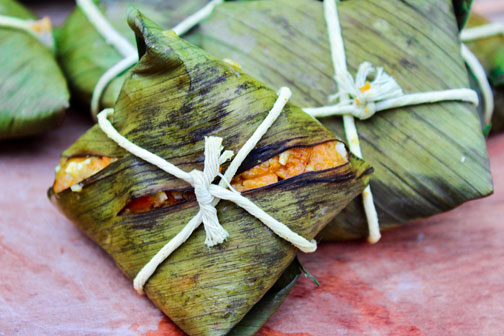
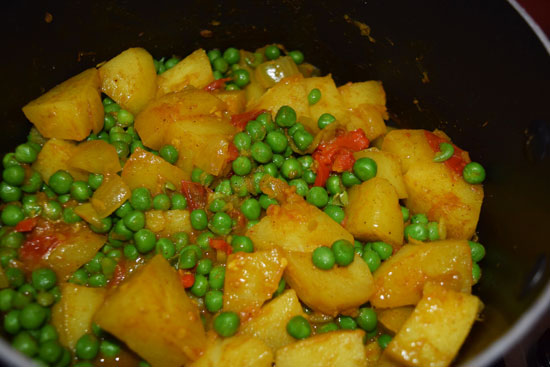
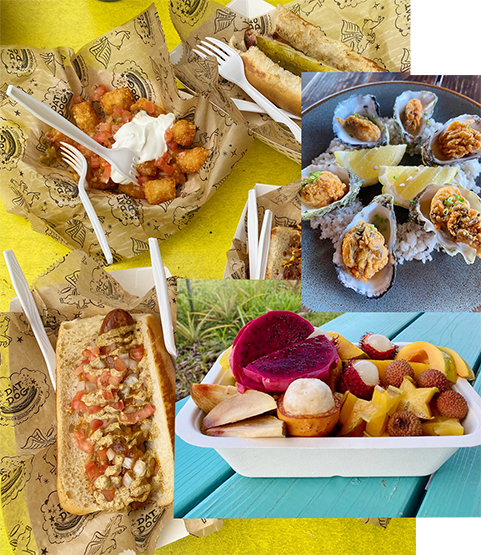
Eat Your World needs your help to create a truly global database. Show us where you’ve been and what regional foods and drinks you’ve found, or share your own culture’s foods and drinks with thousands of EYW readers.
No membership is required. We moderate all user submissions to ensure they meet our goal of celebrating regional cuisine, but within 24 hours, your submission should appear on this site.
Via photos and/or words, share your family’s food traditions, the best meal from your last trip, the dish you’ll always associate with your grandmother’s kitchen. We want to hear it all!
Looking for your next food adventure?
Join our newsletter for fresh content, EYW news + more, to inspire life-changing eating experiences near and far.
Eat Your World | A Global Guide to Local Food