Agidi
SIERRA LEONE
lsr
guides you to the best local dishes & drinks in
125+ cities. See map now

EYW wants your food stories!
I discovered the Frascati DOC white wine in 2011 shortly after meeting my now-husband whose family makes the wine. This wine is crisp and bright and refreshing and every time it starts to heat up in the... Read more
A city spotlight on Dakar, Senegal’s sultry capital city, where French, Wolof, and North African influence...
It’s not hard to love Sierra Leone. Yes, that Sierra Leone, the little country in West Africa best known for an ugly history of slavery, rebel child soldiers fighting a decade-long civil war (1991-2002), and the violent thriller Blood Diamond. Ten years removed from its dreadful war, the country, though still showing its scars and beset by poverty and poor infrastructure, boasts a freely elected government and relatively low crime rates. It is safe to visit. In fact, even in parts of the otherwise chaotic, crowded, pulsing capital, Freetown, it’s downright tranquil. You can see why locals call their home “Swit Salone,” or sweet Sierra Leone.
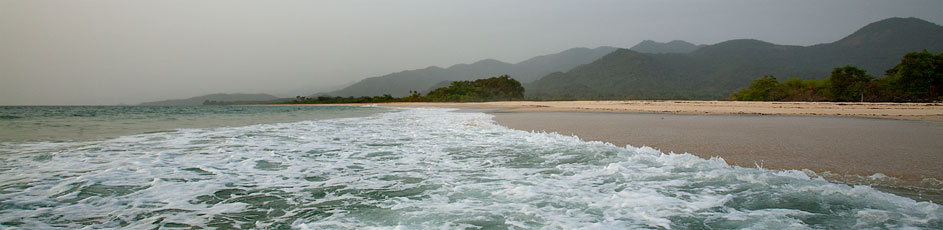
Move down toward the beaches, and you will think you’ve found paradise. Miles of sublime coastline, backed by jungle-covered hills and confoundingly devoid of tourists, are yours to enjoy. Fishing villages abound, to which you can show up, dine on local lobster, spend the night, and make new friends—Sierra Leoneans, warm by nature, speak English, making their culture all the more accessible to a wide range of visitors. Go deeper into the country to find charmingly dusty, laid-back towns; newly protected national parks; a gorgeous tropical inland island populated by primates, with a few cozy tents for guests.
It’s true that most foreigners come to Sierra Leone to work or volunteer. Some come to travel: to explore the superb scenery, meet the people, and experience the inherent adventure in just being here. Nobody comes for the food. But the local “chop,” as it’s known in Krio, is nothing to sniff at—in fact, it’s quite good as a whole, humble but spicy and hearty. Rice, groundnuts (peanuts), leafy greens, cassava, black-eyed beans, palm oil, and chile peppers figure prominently. Encouragingly, the best kitchens, all of them recommended on these pages, are already making important culinary decisions, employing the freshest ingredients from local markets and fishermen, choosing whole-grain “country” rice over cheaper imported white rice, cutting back a little on the loads of palm oil traditionally used (as well as Maggi stock cubes, a more recent addition to the cuisine). Like everywhere, Sierra Leoneans take pride in their food, and if you ask about finding good chop, you’ll be instantly rewarded with huge grins. “You like African food?” comes the incredulous reply. Why, yes—yes we do.
Note: For logistical information on getting to Sierra Leone, including easy online visa application, check out the helpful Visit Sierra Leone website.
Below is user-submitted content for this region. Have something to contribute? Upload your regional-food photo or food memory.
©2013 Eat Your World, LLC - All Rights Reserved