Stewed Chicken
Panama
jgonsalves1
guides you to the best local dishes & drinks in
125+ cities. See map now

EYW wants your food stories!
My family recently bought a cottage on Torch Lake in Northern Michigan, USA. Just outside Traverse City, this area of the state is booming with exceptional restaurants and local breweries. One of these... Read more
The perfect hotel view, in Sinop Jutting out into the Black Sea on Turkey’s north coast, pretty Sinop is a water-lover’s retreat with...
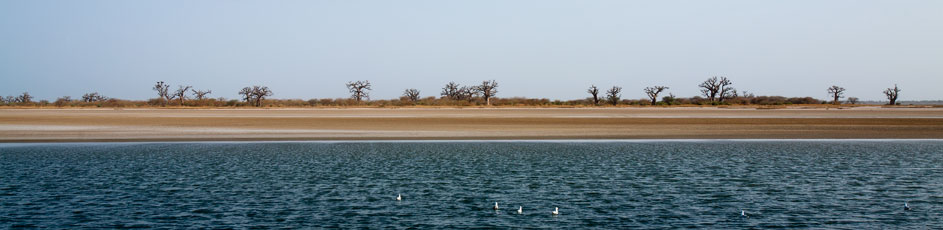
Perched on the edge of West Africa, jutting out into the Atlantic Ocean, Senegal has long gone quietly about its business while its neighbors get into all sorts of trouble. Quietly, of course, is a misleading word in the context of Dakar, the sultry capital city and dust-ridden domain of all-night music clubs, infamous traffic, relentless hustlers, and nonstop construction, where the dead silence of night is regularly punctured by soaring muezzin calls to mosque. But even when things feel really crazy here—as they did, no doubt, during the early-2012 unrest surrounding an ugly presidential election (which resolved peaceably)—there seems to remain an underlying coolness, a sense of people doing their thing, on their own time. Maybe it’s the ocean, pressing in on three sides, that’s responsible for that subtle calm…or maybe it’s those limitless horizons that fuel Dakar’s vast creative energy.
Senegal was a French colony until 1960—French remains the official language, and the grand architecture and occasional wide boulevards might feel familiar—but the capital’s “Paris of Africa” descriptor is misleading (not to mention grossly overused). Dakar is its own animal, sometimes messy, sometimes sublime. In general it’s good to expect the unexpected. As the classic refrain goes—and it’s invariably used to explain everything from littering to government corruption—this is Africa.
Less of a gray, undefined thing in Dakar is its food. Among other West African countries, Senegalese cuisine stands out for its distinct cultural influences—most notably from various ethnic groups (especially the dominant, native Wolof), Europe (particularly France and, in the south, Portugal), and North Africa—and its mastery of local ingredients, seafood, millet, and groundnuts (peanuts) chief among them. Dakarois take pride in their food, be it baguettes on a sandy side street, grilled sheep in a smoky dibiterie, or a beautiful plate of ginger shrimp from a restaurant on the beach. Some expats may tell you there aren’t many restaurants in Dakar, that all the best food is prepared at home. Let’s be clear about something: If a local invites you in for a home-cooked meal—and this is likely to happen; Senegalese are famous for their hospitality—by all means, go. Failing that, a little research goes a long way in revealing plenty of dining options scattered among the city’s markets, backstreets, cozy neighborhood cafes, and upscale seafood joints. We’re here to help you find them.
Below is user-submitted content for this region. Have something to contribute? Upload your regional-food photo or food memory.
Senegalese tea, named attaya, is drunk the same way across the Sahel. Wherever I am, boys and men will be hunched around a small chipped enamel tea pot, sat upon a couple of lumps of charcoal.… Read more
©2013 Eat Your World, LLC - All Rights Reserved