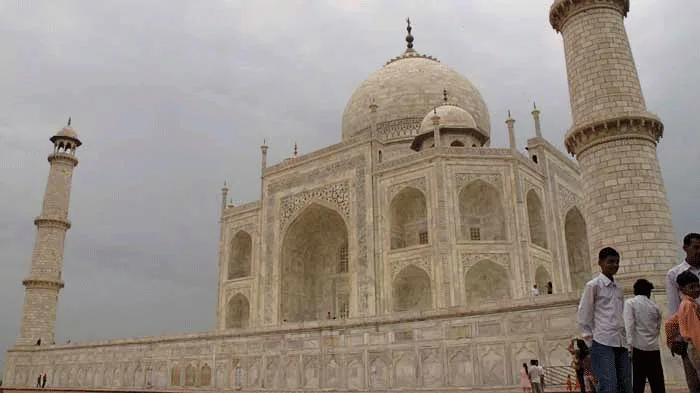
India’s high-profile capital city, New Delhi, is every bit as complicated as the country itself, a dynamic crush of humanity at turns glittery and cosmopolitan as well as dysfunctional and destitute. It’s where perpetually traffic-clogged, tree-lined highways, the sides of which see a virtual stream of homeless migrants, lead to affluent gated communities and overcrowded Islamic enclaves, high-end shopping malls and magnificent centuries-old tombs, forts, mosques, and ruins that speak loudly of another era—certainly one no less complex than now.
For Delhi, having lived through a roller coaster of dynasties and empires, is said to have been the site of eight cities, from the 11th-century Lal Kot (now the beautiful Qutb Minar complex) through the Mughals’ 17th-century walled city Shahjahanabad (now labyrinthine Old Delhi) to the British-built New Delhi of today. It’s never been a simple, or easy, place to be—not for the diverse population of 22 million (give or take) living under its smog-dulled sky, nor for travelers passing through.
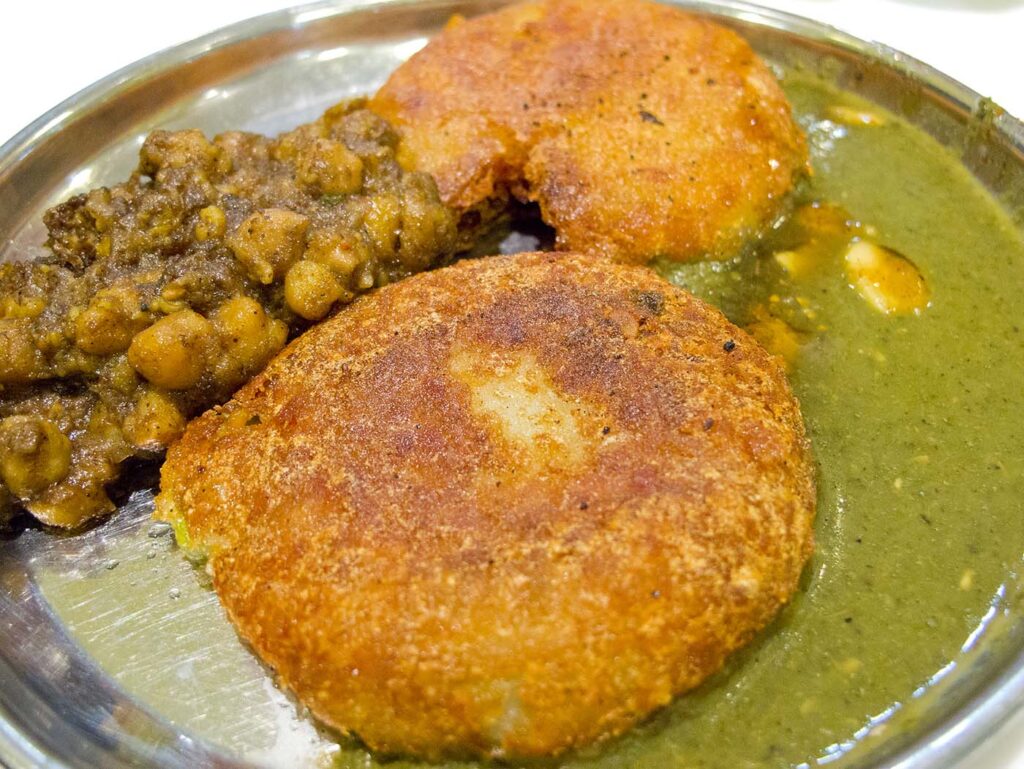
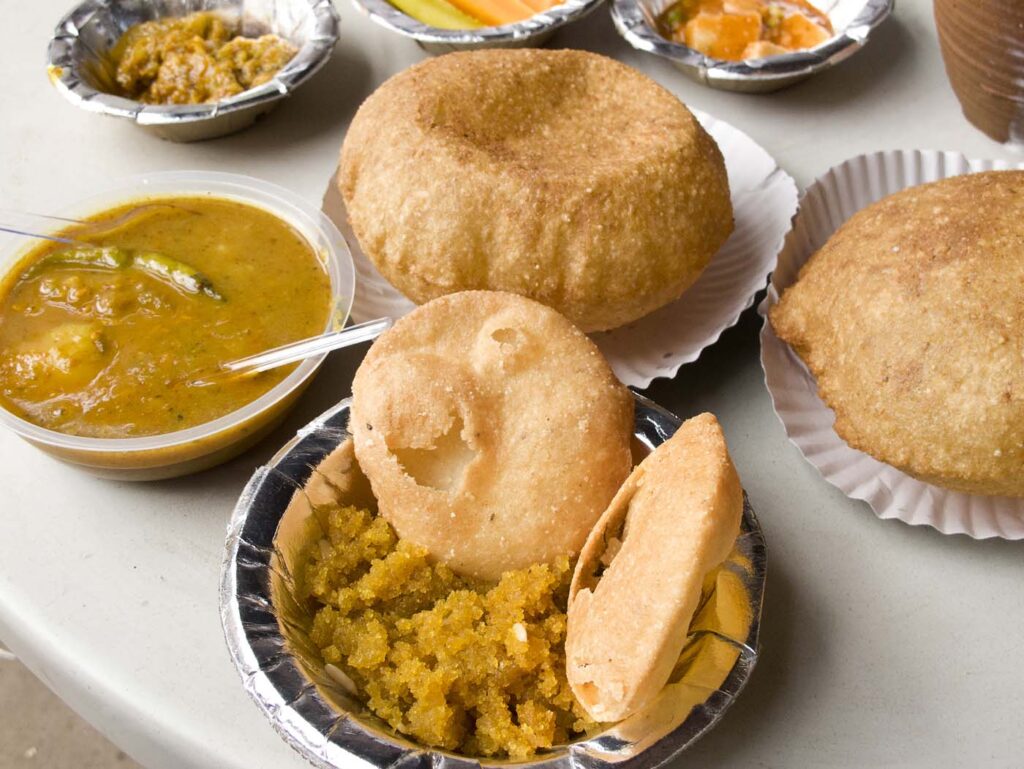
But “Dilli,” in the fond words of one former resident we know, is “a grower not a show-er.” And nowhere is that truer than in the culinary realm, for melting-pot Delhi seems to lack its own cuisine on the surface. Look closer, though, and you find myriad examples of “typical Delhi foods”: the Mughlai- and Punjabi-derived dishes (the bold spices, creamy curries, and hearty breads that dominate northern India), the tangy-spicy street chaat, the Muslims’ kebabs, the Hindus’ vegetarian specialties. Like fellow capitals Mexico City and Bangkok, Delhi is a food culture to its core: Good eats are everywhere—on street corners, in temples, on trains, in restaurants of countless cuisines—and when people aren’t eating, they’re drinking (tea, usually). Also like those culinary giants, it helps to ease into Delhi food, which can be intimidating and highly regrettable if you eat the wrong thing in the wrong place. Well, we’ve done the delicious dirty work for you. It’s time to dive into the delicious local foods of Delhi.
For a fast and furious tour of North India, watch our one-minute video!
Note: The general rules of eating in countries like India include: Never drink the tap water, including ice. Choose established venues, or eat where lots of locals are eating. Avoid raw, unpeeled fruits and vegetables. Always wash hands before eating. Check that vaccinations are up-to-date before traveling. While EYW has chosen established venues and has safely eaten at every one of those featured in our “Where” sections, we cannot be held responsible for any health issues arising from our suggestions. Please see our Terms & Conditions.
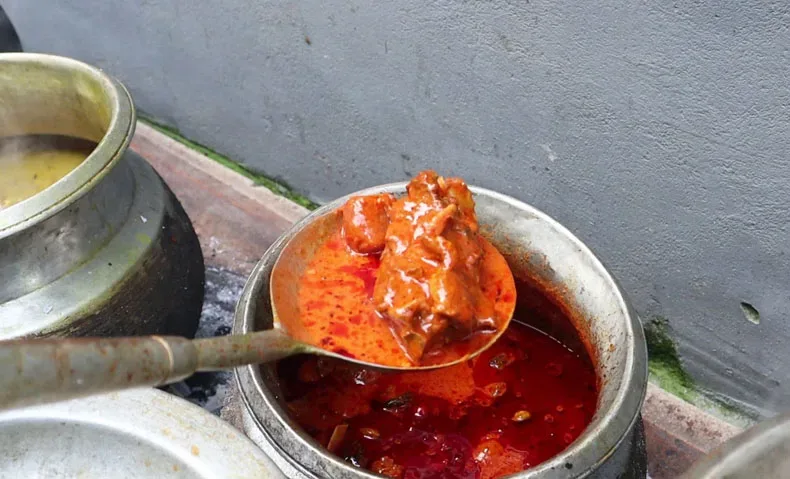
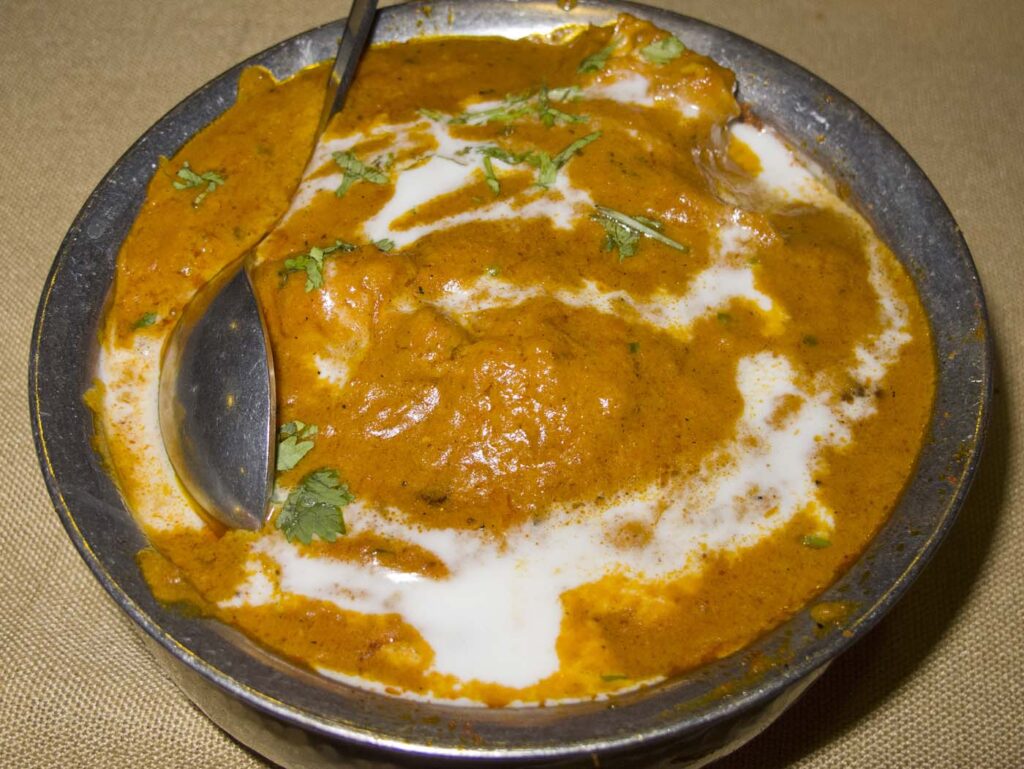
What: A non-veg Delhi favorite, chicken changezi is roasted chicken cooked with tomato, ginger, garlic, onions, green chilies, fresh coriander Read more >
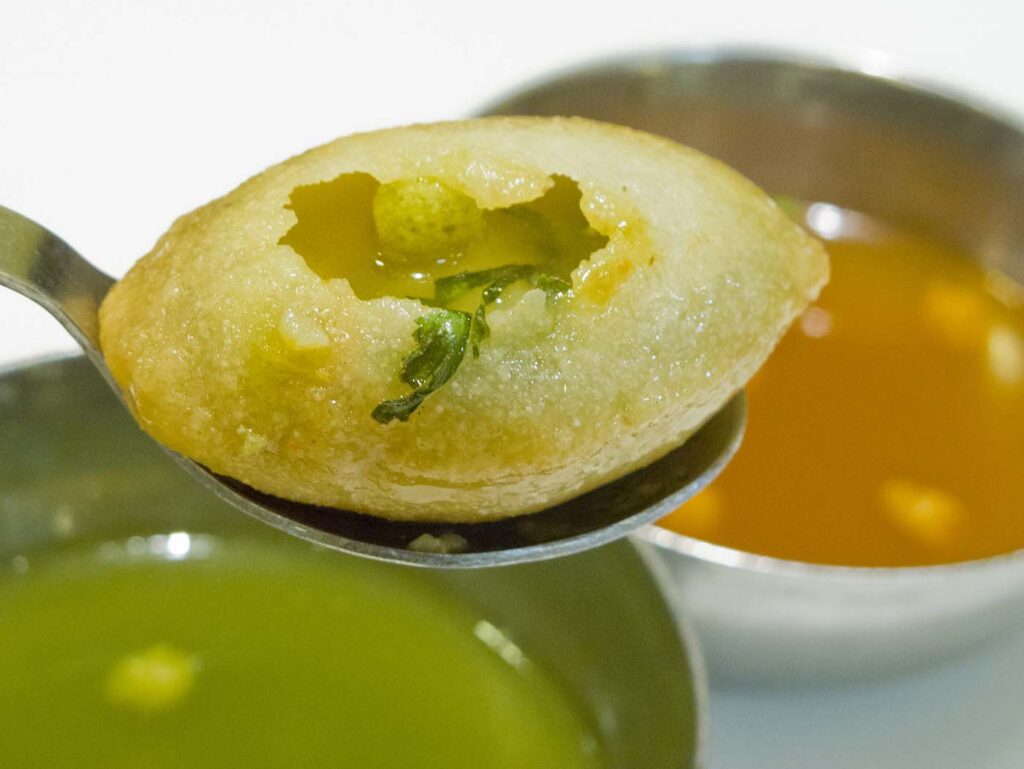
Gol gappa is a very popular chaat, or snack, that encompasses some of chaat’s best qualities—spicy, crunchy, saucy, satisfying—all in Read more >
Load More
Activity Tips
How to Burn It Off in Delhi
WALK
<
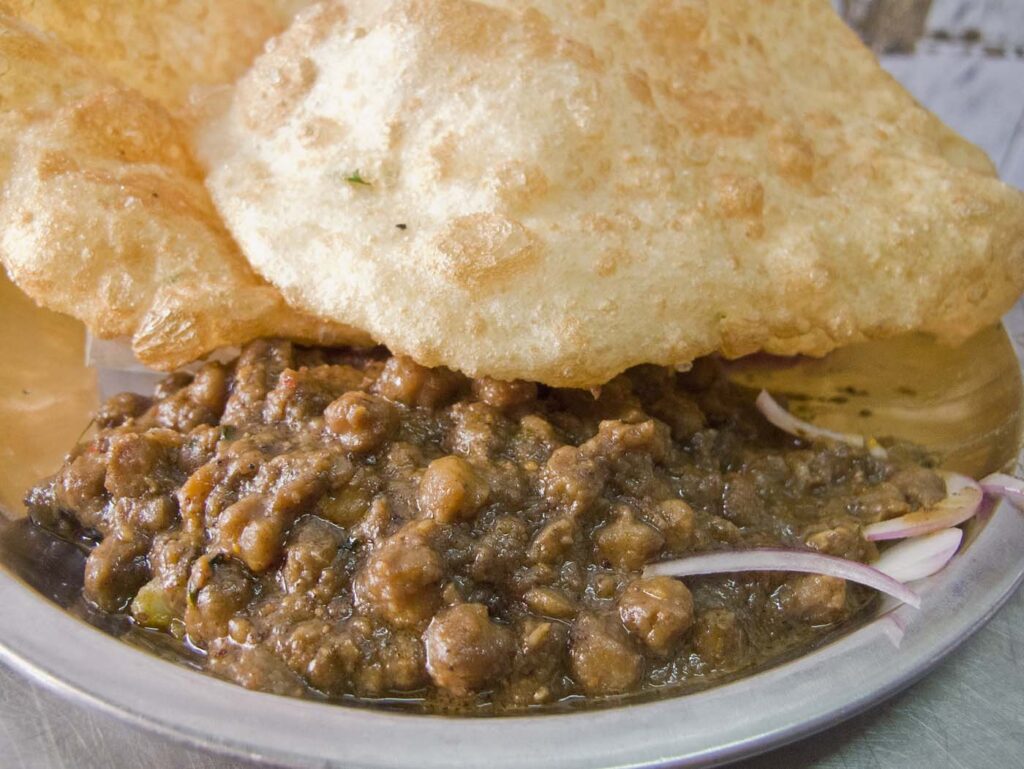
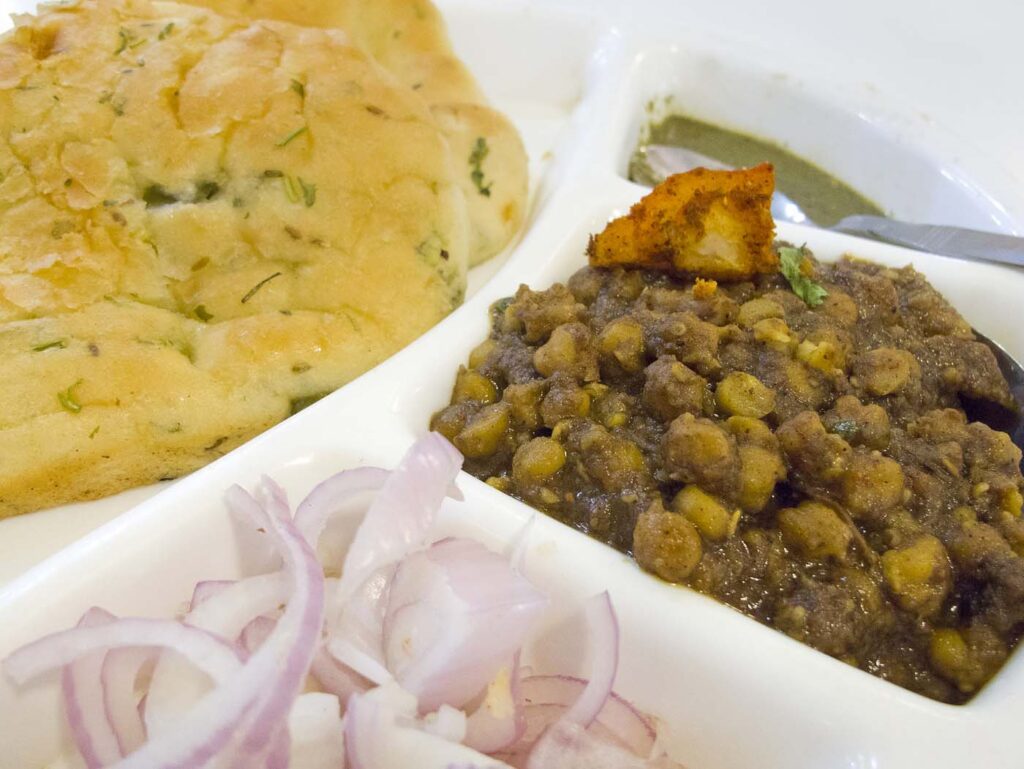
Delhi’s not the best walking city. You’ll stay relatively active exploring the grounds of the major sights—the Red Fort and Jama Masjid, Humayan’s and Safdarjang’s Tomb, Qutb Minar, India Gate, the Bahai’ Temple—but here are some more ways to burn off the bhature.
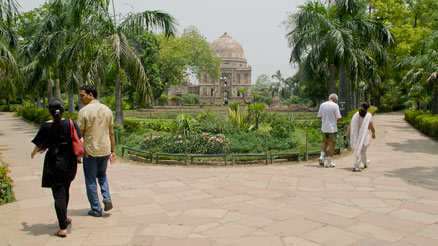
Near Safdarjang’s Tomb in South Delhi, Lodi Gardens (pictured above; map) is a pretty, leafy 90-acre escape from the city’s crowds and car horns. Wide, well-maintained walking paths wind past tall palm trees, flowering gardens, manmade lakes, and—since this is still Delhi, after all—imposing 15th- and 16th-century domed monuments (mostly mosques and tombs from the Sayyid and Lodi dynasties). There are also two kilometers of shaded jogging track and, if the signs are to be believed, a diverse array of birds, from golden-backed woodpeckers and spotted owlets to green parakeets (we can vouch for those being there).
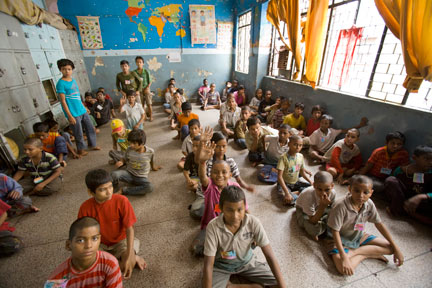
The Salaam Baalak Trust, a nonprofit organization that supports street children in Delhi and Mumbai via shelters, health care, and education, offers a guided City Walk six days a week (Mon-Sat, 10am), in which former street kids share their personal stories, explain street life, and lead participants through Paharganj, an area notorious among street kids for its proximity to the New Delhi Railway Station. The tour visits one of the Trust’s contact points and shelter homes (pictured above), where participants can interact with the children, who are often eager to practice their limited English. Note that this is not a slum tour, but some education for visitors about a chronic problem in India, where as many as 18 million children are estimated to live on the streets. The tour itself could be better organized, but is still eye-opening and a worthwhile two-hour investment. Proceeds (minimum donation is 300 rupees) go directly back to the Trust.
You’ll definitely consume more calories than you’ll burn, but we recommend taking a food tour while you’re in town, too. Try Delhi Food Walks, which offers tours through Chandni Chowk, Connaught Place, and Kamla Nagar.
YOGA
Although Delhi is not particularly known as a yoga center, there are still a number of places where you might work on your practice. In South Delhi near Kailash Colony, the Sivananda Yoga Vedanta Nataraja Centre ( A-41 Kailash Colony, map/directions) runs 60- and 90-minute yoga classes for all levels on a drop-in basis (400 rupees for single class; 1,000 for five-class card; unlimited monthly/annual passes also available); every Sunday at 12:30pm there’s a free trial class. The center also offers three-week meditation courses and Ayurvedic oil massage. Alternatively, ask at your hotel—some have their own yoga classes for guests—or check this list.
Accommodations
Where to Stay in Delhi
It’s a bit far from the hustle and bustle of Old Delhi—which some might consider a plus—but we wholeheartedly recommend the midrange Emblem Hotel (E-5 Kalindi Colony Main Rd., map), near New Friends Colony in expat-friendly South Delhi. Rooms are spacious and well-maintained; the staff friendly and helpful; even the wide range of food served in the small lobby cafe is pretty decent. Also, there’s great wi-fi, strong A/C, and enough good TV channels to save your sanity, should you happen to, um, be temporarily confined to your bed for a day or two (not that we’d know!). Doubles start at 7,500 rupees, including a nice Indian/Western breakfast buffet.
Also in South Delhi, the boutique Manor Hotel (from 7,500 rupees in low season; 77, Friends Colony (West), map), in the midst of a quiet, leafy suburb, makes for a relaxing stay, with yoga, massage, and meditation sessions available. Even more important, the award-winning in-house restaurant, Indian Accent, offers up fantastic modern Indian food that successfully marries tradition with creative ambition. It ain’t cheap, but it’s worth a visit even if you’re staying elsewhere.
In chaotic, backpacker-friendly Paharganj, just north of Connaught Place near the New Delhi Railway Station in central Delhi, we’ve heard good things about Hotel Hari Piorko (4775, Main Bazaar, nr. 6 Tooti Chowk, map), a budget hotel with good amenities like A/C, LCD TVs, hot water, a pleasant rooftop garden restaurant, and fish tanks in most rooms (they’re calming, apparently). A limited number of rooms, available by request, have free wi-fi. Rooms range 990-2,100 rupees; some sleep three or four.
For something more upscale near Connaught Place—complete with fancy on-site restaurants, a poolside lounge, and a top-rated spa—try The Park (15, Parliament St., map). There’s a nice gym and a daily free yoga class (guests only) held on the spa terrace; wi-fi is available for a fee. Rooms start around 6,900 rupees and go way up from there; upper floors, farthest from the DJ action in the bars, tend to be quietest.




 <
<